UX Research & Design Lead
Project Exonaut: child-safe game UX and commerce.
Designing for 9M+ users who don't debug interfaces.
Project Exonaut was Cartoon Network's browser-based MMOG for children ages 6–12. As UX lead, I designed onboarding, in-game commerce, character customization, safe social features, and progression systems for 9M+ registered users.
The design challenge was balancing three needs: the child who wanted to play, the parent who needed to trust the experience, and the business that needed a responsible commerce model.
9M+ registered users · 3-year platform lifespan · 40+ Exosuits
A free-to-play MMOG that gave Cartoon Network kids a reason to keep playing between shows, while giving parents clear consent and purchase controls.
Premium purchases with parental consent, earned currency before real money, and two-step confirmation — no accidental purchases, no manufactured urgency.
Pre-selected phrase library, instant report/block tools, no open text entry, no personal info in display names.
Flat navigation, animation-driven tutorials, immediate feedback. Children reached their first combat encounter without reading a single instructional block.
Every action had to be visible, literal, and forgiving.
Adults recover from unclear UI. Children often don't — if an action wasn't visible and labeled, they assumed it didn't exist. That shaped every decision: flat navigation, literal labels, instant feedback, forgiving failure states, and compliance built into the flow from the start.
Children don't debug interfaces. That was the constraint everything else followed from.
From game entry to purchase consent.
Game Template & Home Screen
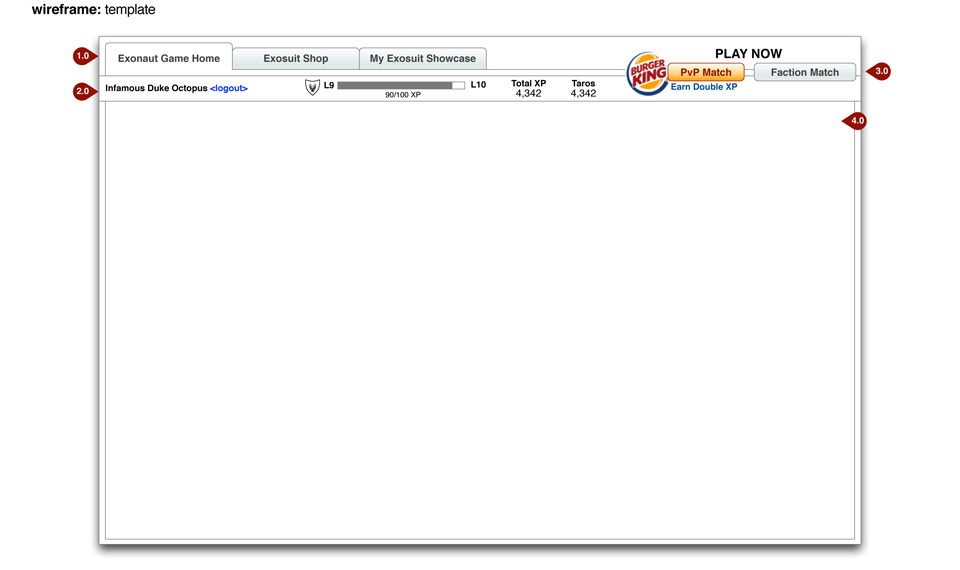
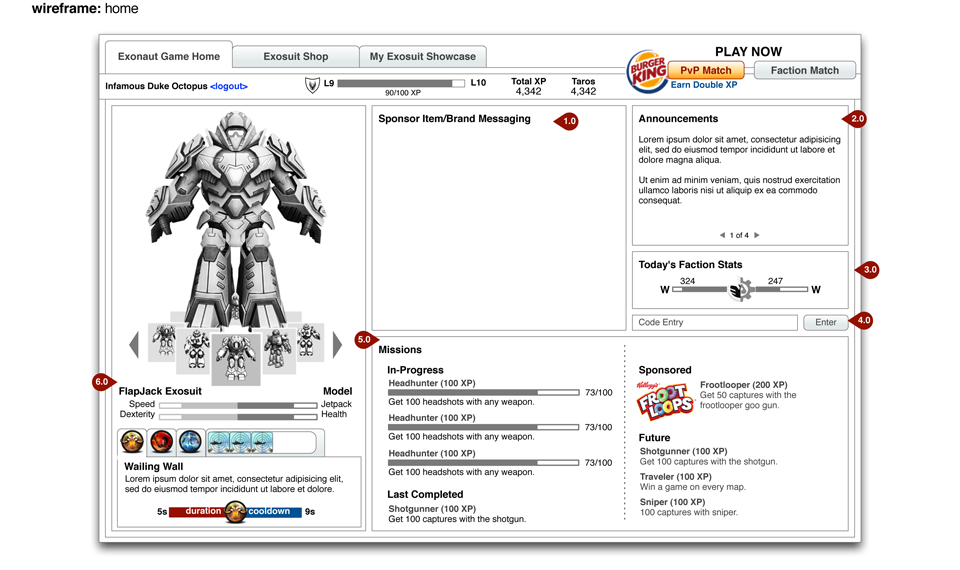
Flat, always-visible navigation. Home surfaced current suit, faction status, currency, and active events without scrolling — children should never have to search for their current state.
Exosuit Shop & Preview
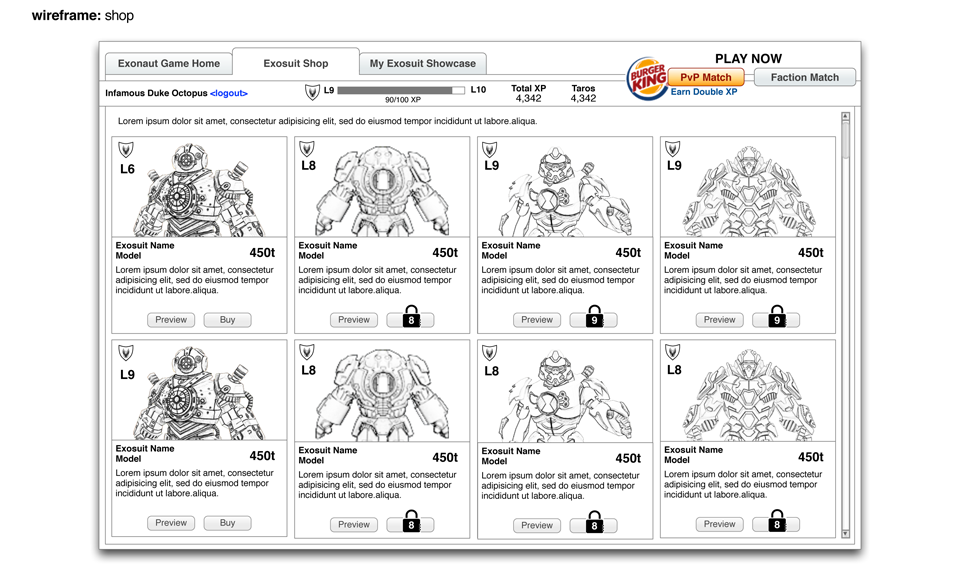
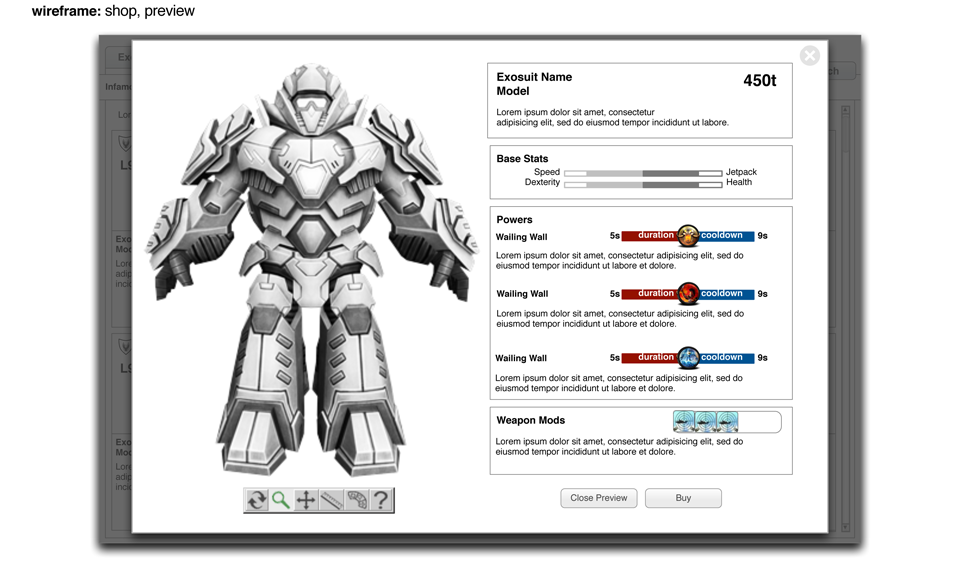
Shop distinguished free and premium suits through clear visual hierarchy — stats alongside price so children could evaluate value, not just desirability. Preview let players see any suit animate and compare stats before committing.
Purchase Confirmation & Parental Consent
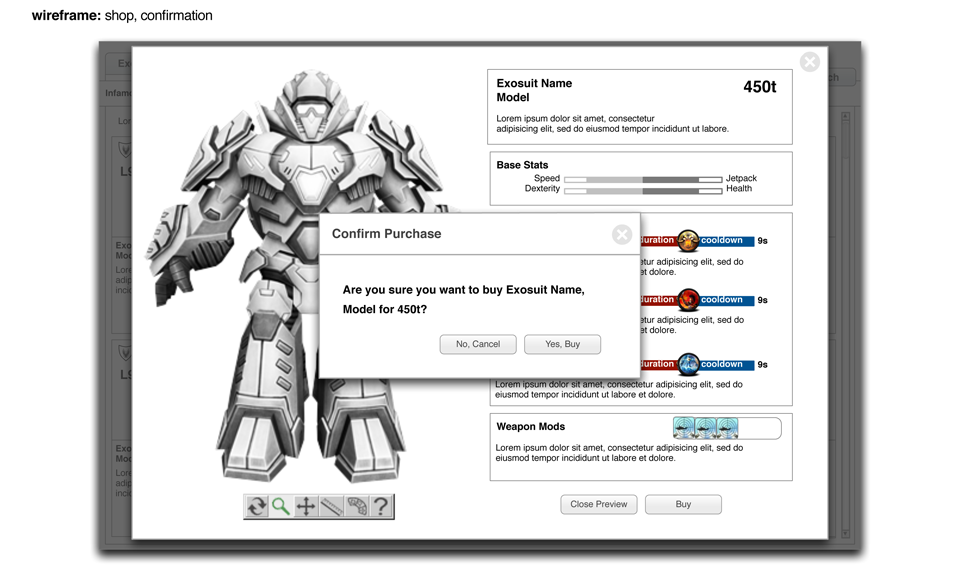
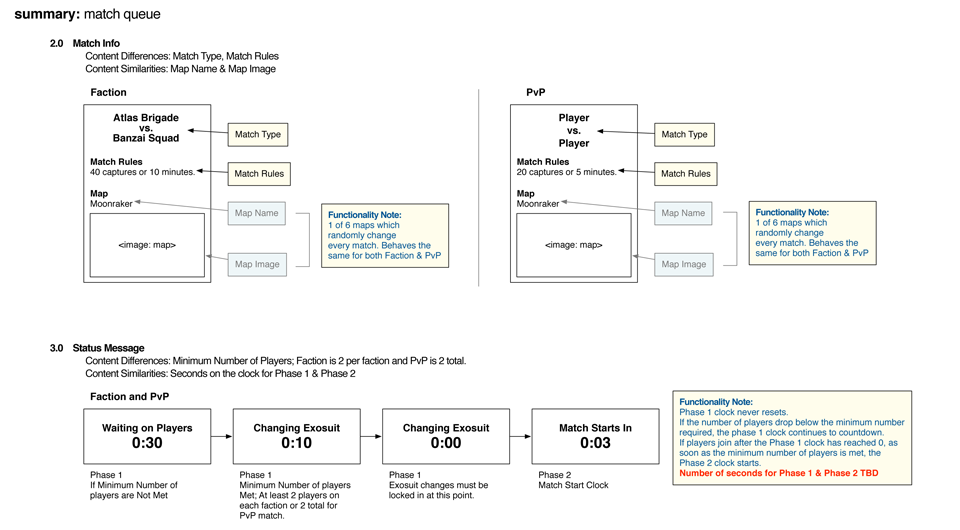
Two-step confirmation with item summary, no hidden costs. COPPA consent surfaced at the point of payment intent — framed as care, not a wall.
Six principles that held across every surface.
Clear over clever
Every action needed a label, not just an icon.
Instant feedback
Every action needed visible confirmation — in a browser, there are no haptics.
Learn through play
Currency, rewards, and progress were introduced through gameplay, not instruction screens.
Failure as reset
Loss screens stayed light, clear, and recoverable — consistent with CN's brand voice.
Performance as a constraint
Interaction patterns had to work on lower-end machines. Core loops were calibrated for that.
Compliance built in
Consent and purchase controls were part of the flow from the start.
Making monetization and compliance work together.
Earned before spent
Players learned the economy through gameplay before real-money purchases appeared.
Preview before purchase
Players could see what an item was, what changed, and whether it affected gameplay before buying.
Consent at the right moment
Parent consent appeared at purchase intent, not during exploration.
Reusable patterns for child-facing commerce and safe social play.
The work established interaction principles reused across Cartoon Network game experiences: flat navigation patterns for child audiences, COPPA-aware consent flows that feel like care rather than restriction, and a commerce model that sustained a platform for three years without dark patterns.
The best design constraint I ever had was an audience that would immediately tell me — through their behavior — exactly where I was wrong.